ACRI leads nationwide simulation to test Philippines’ updated outbreak response manual
22 Jan 2026 | Patricia Burigsay


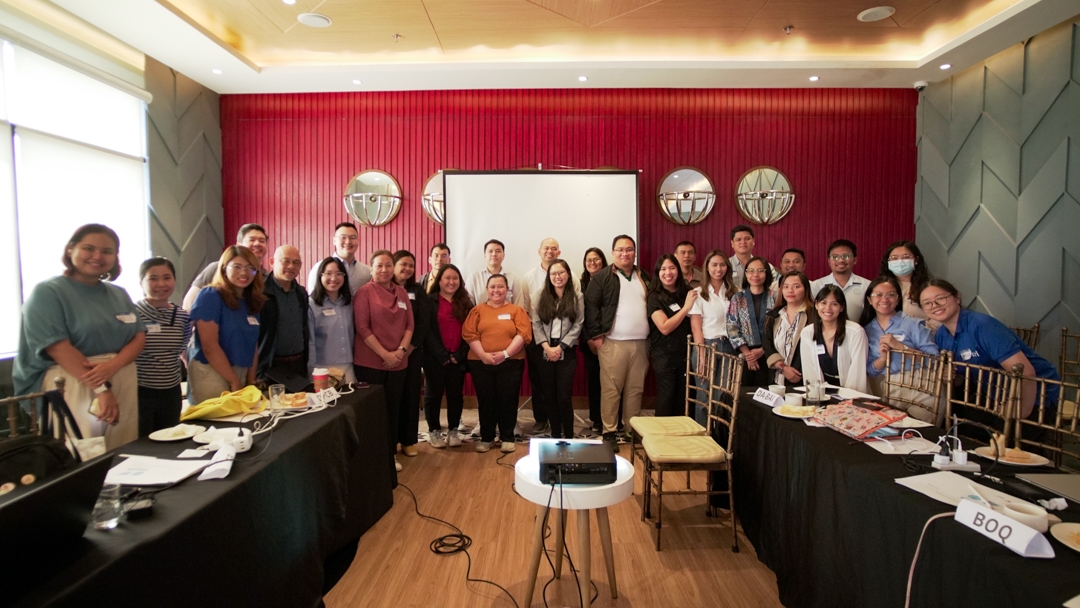
Health, agriculture, and environment agencies simulate future outbreaks to pressure-test the country’s first major overhaul of its infectious disease response in over a decade.
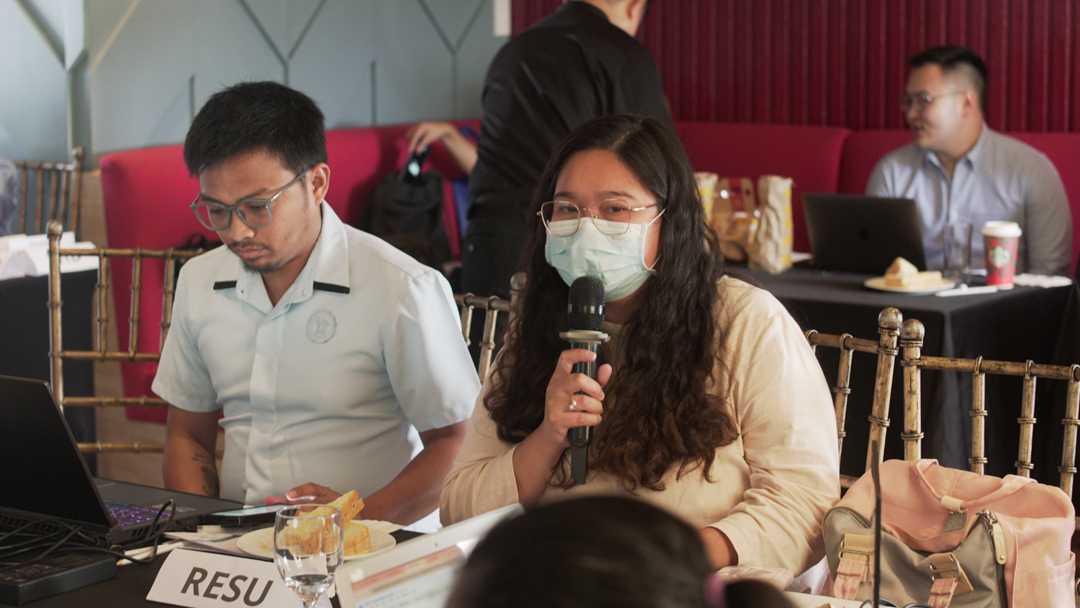
Nearly eleven years after its last revision, the Philippines’ national playbook for handling infectious disease threats is undergoing its most consequential stress test yet. On 6 November 2025, the Ateneo Center for Research and Innovation (ACRI) together with the Department of Health (DOH) convened a high-level simulation exercise to validate the newly updated Emerging and Re-emerging Infectious Diseases (EREID) Manual of Operations and Procedures, marking the first comprehensive overhaul since 2014. Conducted at Harold’s Hotel in Quezon City with hybrid participation nationwide, the exercise aimed to ensure that the country’s outbreak response framework reflects the realities exposed by COVID-19, Mpox, and other recent public health emergencies.
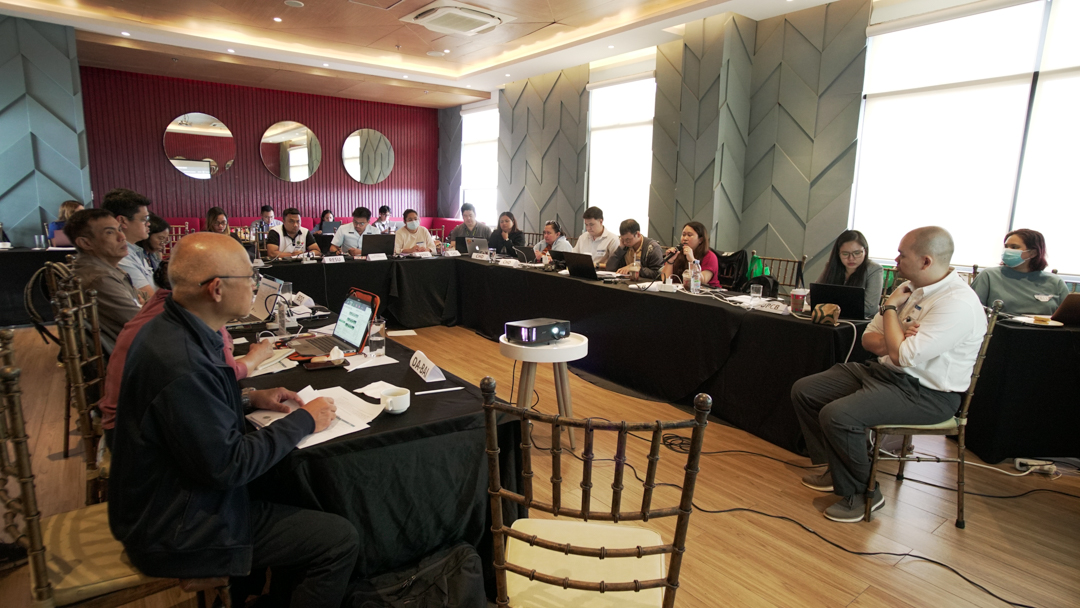
First established in 2005, the EREID program was designed to detect and contain novel disease threats early. But successive global crises made one reality unavoidable: the existing manual no longer matched the speed, complexity, and cross-sectoral nature of modern outbreaks. The simulation was therefore not a formality—it was a deliberate attempt to find where the new system might still fail under pressure.
To do this, agencies were thrust into two escalating outbreak scenarios. The first, “NIPAH-25,” involved a highly fatal respiratory virus linked to animal transmission. The second, “EE-25,” simulated an unexplained neurological illness with unclear origins. Participants included the Epidemiology Bureau, Bureau of Quarantine, Research Institute for Tropical Medicine (RITM), and counterparts from the agriculture and environment sectors—mirroring the interdependencies that real outbreaks now demand.
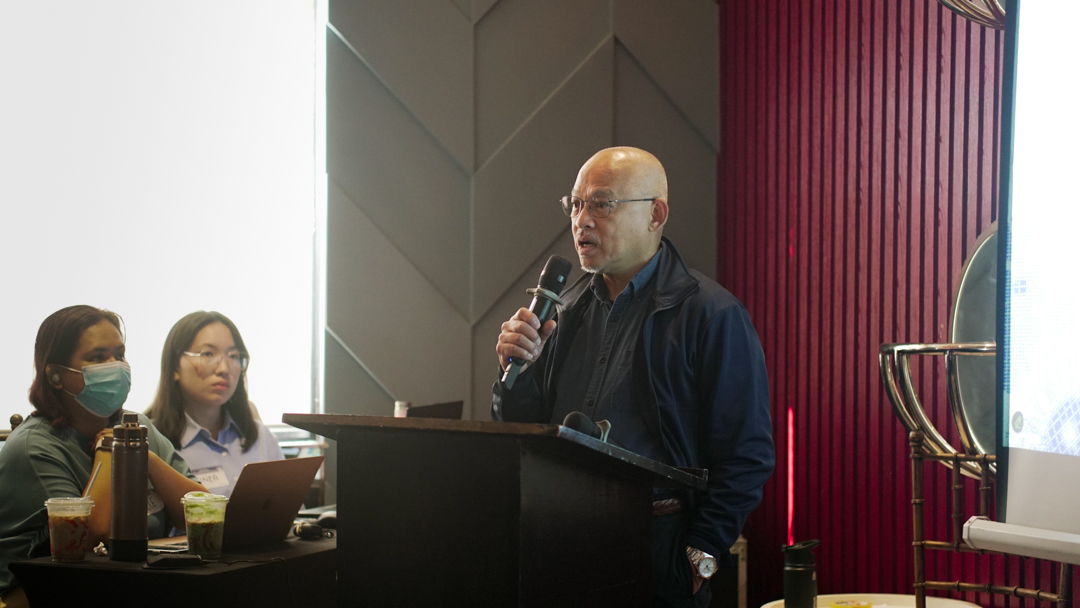
One of the clearest lessons to emerge was structural rather than technical: responses slow down when sectors move sequentially instead of simultaneously. In both scenarios, delays arose when animal and environmental investigations were treated as secondary steps rather than immediate parallel actions. The revised manual addresses this by embedding One Health coordination from the very first alert, formally linking human, animal, and environmental surveillance instead of relying on ad hoc collaboration.
Laboratory capacity was another focal point. While RITM demonstrated strong diagnostic and sequencing capabilities, the exercise reinforced a hard truth: identifying a completely novel pathogen can still take weeks. To compensate, the updated manual places greater emphasis on transmission-based response protocols, allowing frontline responders to act on suspected modes of spread—airborne, contact, or vector-borne—before definitive laboratory confirmation is available.
Beyond science and logistics, the simulation also exposed persistent vulnerabilities in risk communication. Participants repeatedly flagged how fragmented messaging during past outbreaks fueled confusion and mistrust. As a result, the revised EREID manual strengthens provisions for a single, authoritative communication channel led by the DOH, with coordinated messaging from agriculture and environment agencies to address public health, food security, and livelihood concerns at the same time.
Another insight, shaped directly by the COVID-19 experience, was the absence of clear guidance on how emergencies end. Officials emphasized the need for explicit, data-driven criteria for scaling down response measures, arguing that uncertainty around de-escalation can be as damaging as delayed escalation. As one participant noted, knowing when to stand down is “as operationally critical as knowing when to activate.”
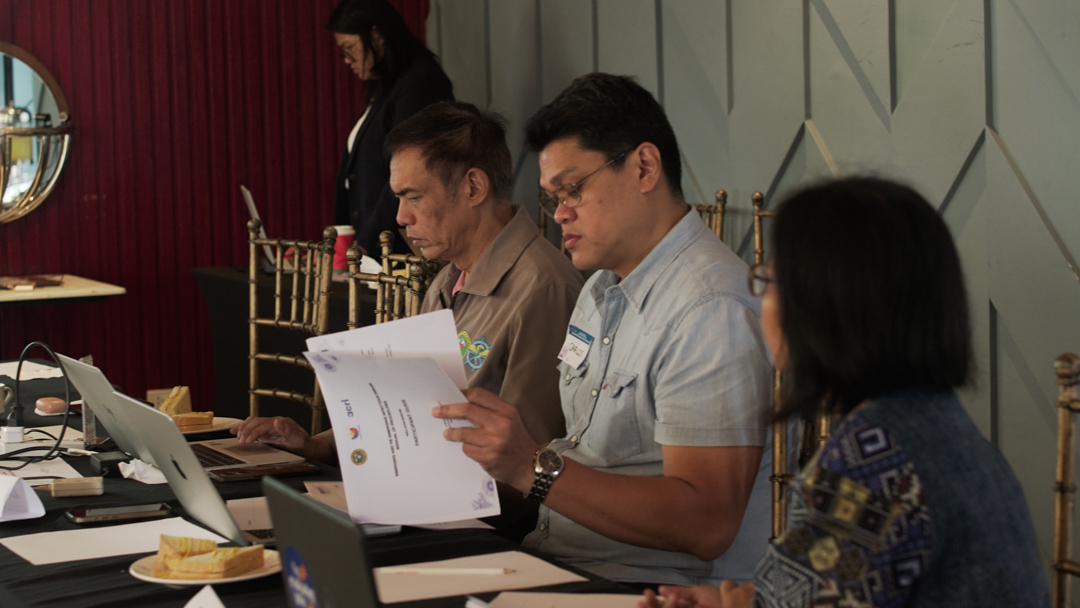
With simulation feedback now consolidated, the DOH—supported by the World Health Organization—is set to finalize the revised EREID manual by January 2026. The final version will include clearer agency activation flowcharts, integration of the 7-1-7 outbreak detection and response framework, and a dedicated One Health chapter.
More than a procedural update, the revised EREID manual is being positioned as a living national asset—one that prioritizes speed, coordination, and evidence over improvisation. In a world where the next outbreak may emerge without warning, the exercise made one message unmistakably clear: preparedness is no longer about reacting well, but about being structurally ready before the first case is even confirmed.
Recent News
You may also like these articles
ASOG’s Tobacco Control initiatives spotlighted in DOH National Technical Working Group for Tobacco Prevention and Control
On March 10 to 12, 2026, the Ateneo School of Government (ASOG), through its research and public policy unit, the Ateneo Policy Center, participated in
ASMPH welcomes incoming VPHE, honors the service of VP Marlu Vilches
The Ateneo School of Medicine and Public Health (ASMPH) recently held a transition meeting marking an important leadership shift within the University’s Higher Education cluster
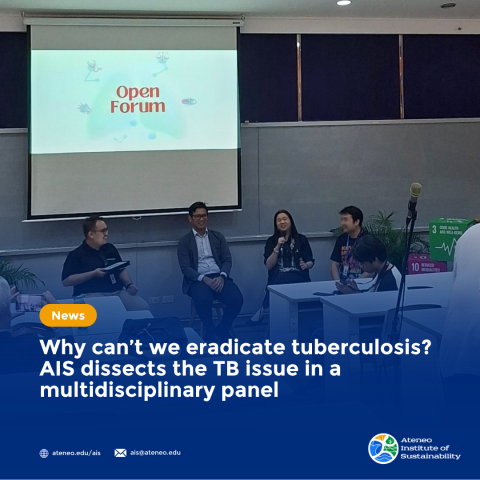
Why can’t we eradicate tuberculosis? AIS dissects the TB issue in a multidisciplinary panel
On 24 March 2026, the Ateneo Institute of Sustainability (AIS), through its Sustainable Development Goals (SDGs) Program, hosted a multidisciplinary panel in observance of World
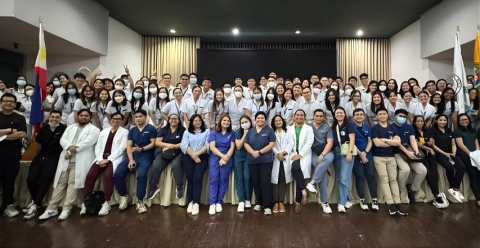
Vertical integration in ASMPH: A shared neurology preceptorial experience
In the Ateneo School of Medicine and Public Health (ASMPH), the commitment to vertical integration continues to grow stronger. This meaningful collaboration brings together YL6
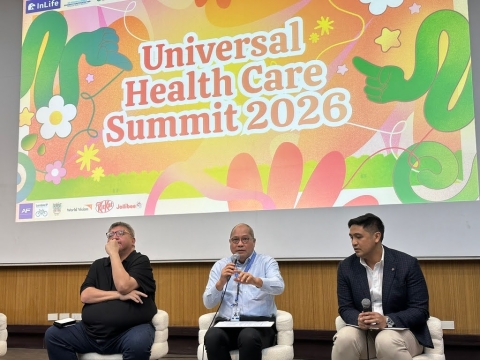
Interweaving disciplines for a healthier future together: Highlights from the UHC Summit 2026
The Rosita G Leong Primary Healthcare Hub (RGL Hub) co-presented the flagship initiative of Project LAAN, the Universal Health Care Summit (UHC Summit), on 14
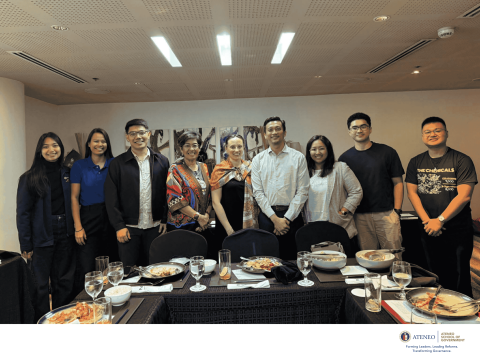
ASOG meets with Department of Health—Bureau of International Health Cooperation to strengthen institutional partnership
On 27 February 2026, the Ateneo School of Government (ASOG), through its research and public policy unit, the Ateneo Policy Center, held a courtesy meeting