ACRI's Dr Percival Lao awarded DGD Scholarship for MSc in Global One Health at the Institute of Tropical Medicine, Antwerp and the University of Pretoria
07 Feb 2026 | Patricia Burigsay



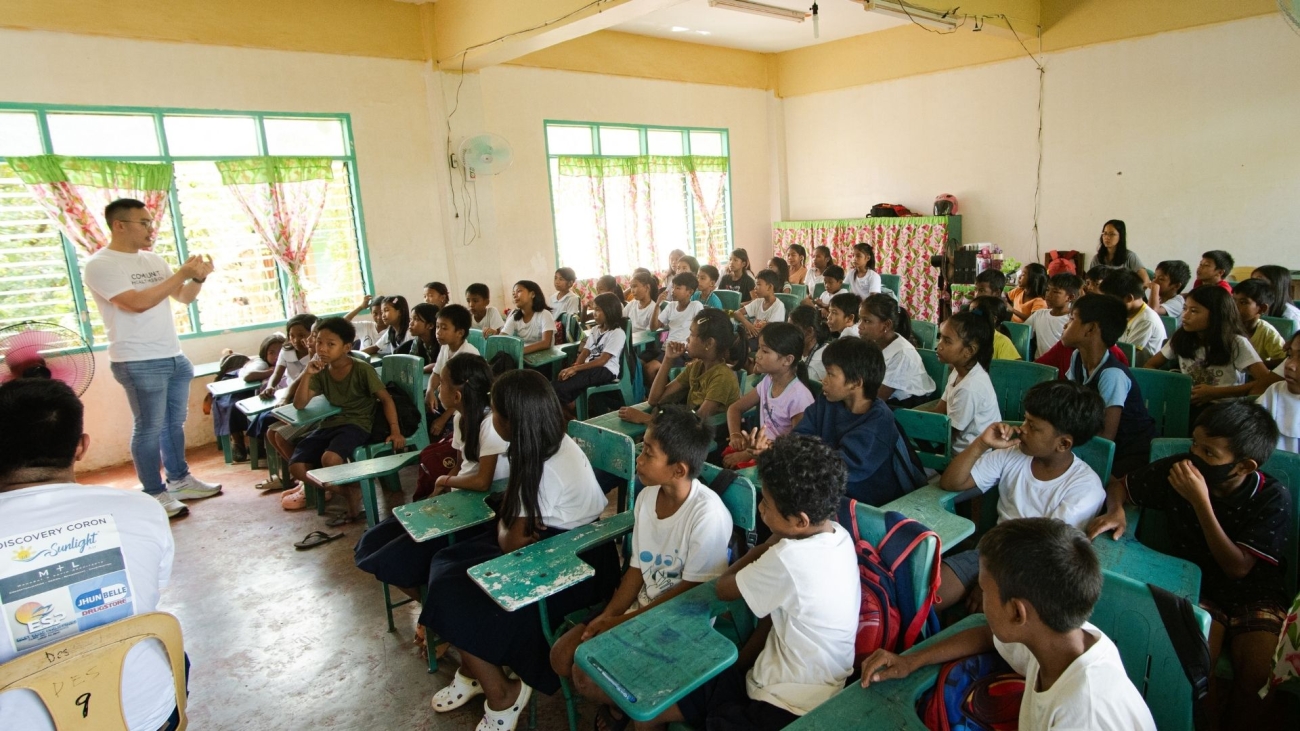
"I've wanted to be a doctor for as long as I can remember since I was five years old. But what that meant to me changed over time. Growing up, I watched family members pass away too early from diseases that could have been prevented. That left a mark. Then came the pandemic, and later my hospital rotations, where I saw the same patterns playing out — people arriving for treatment when the real battle had already been lost upstream.” Dr Perci shares, “I began to realize that what I truly cared about wasn't just medicine. It was health — and specifically, the belief that prevention is better than cure, a motto I grew up hearing at home. That conviction is what drew me to public health, and eventually to One Health, which for me represents the fullest expression of that principle: that if we truly want to prevent disease, we have to look beyond the clinic, beyond the human body, and care for the animals and environments that shape our health long before anyone walks through a hospital door."
The Ateneo School of Medicine and Public Health Center for Research and Innovation (ACRI) is proud to announce that Dr Percival Lao is a recipient of a prestigious scholarship from the Belgian Development Cooperation (DGD) and will be pursuing the Master of Science in Global One Health: Diseases at the Human-Animal Interface, jointly offered by the Institute of Tropical Medicine (ITM) in Antwerp, Belgium and the University of Pretoria in South Africa this February 2026. The DGD scholarship is financed by the Belgian government and awarded through a rigorous selection process by ITM's Academic Selection Committee and DGD Scholarship Committee. It covers tuition fees, accommodation, a living stipend, insurance, and international travel support for the duration of the two-year blended program, which is designed to allow scholars to combine work and study.
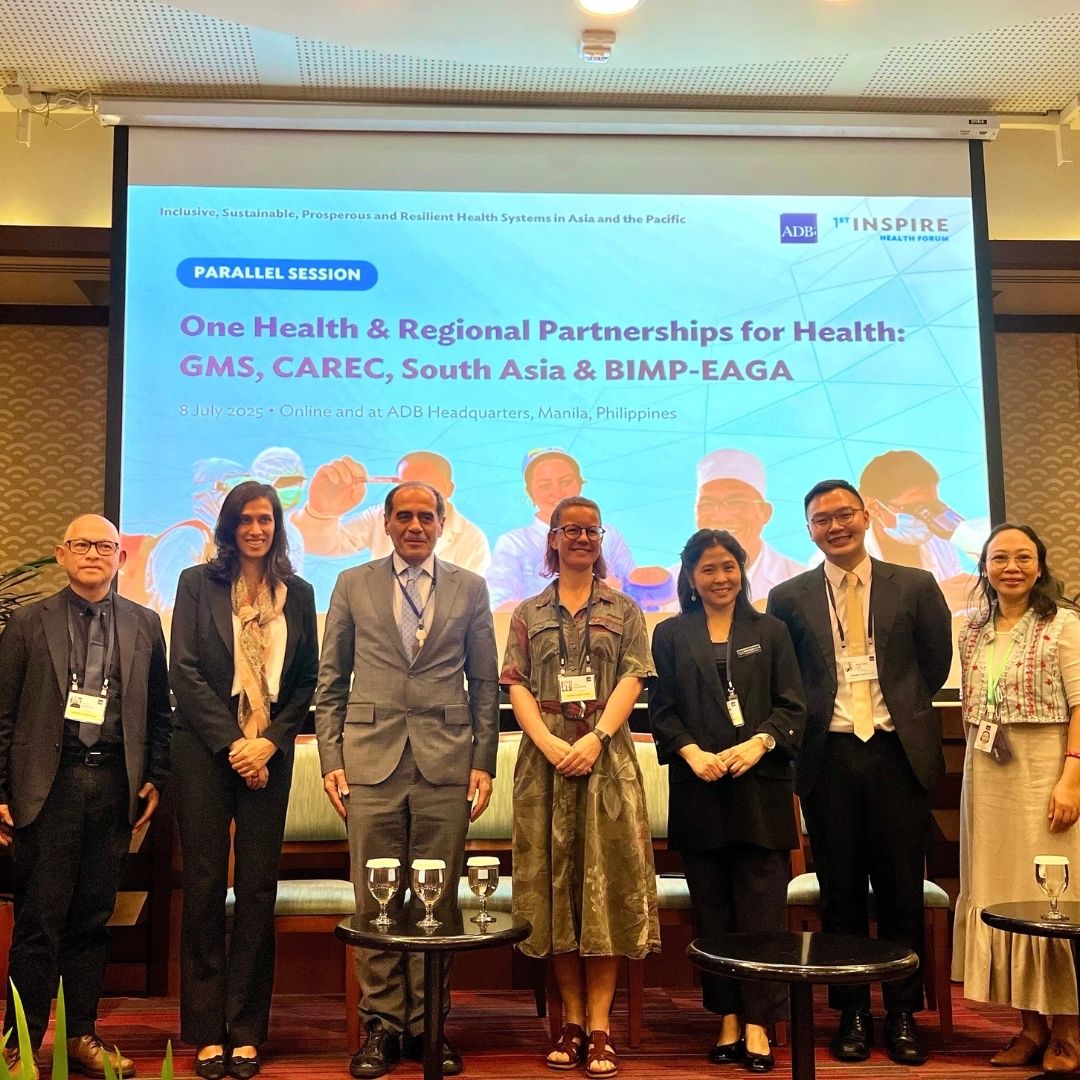
On the human health front, Dr Lao has led and contributed to research and policy work that directly shapes how the Philippines prepares for and responds to health threats. Some of which includes providing technical assistance to the Department of Health in developing the country's Philippine National Action Plan to Combat Antimicrobial Resistance 2024-2028, the Strategic Roadmap on Health and Climate Change, and the enhancement of the DOH National Emerging and Re-emerging Infectious Disease (EREID) Program Manual.

In the domain of animal health, he has actively contributed to efforts addressing diseases and antimicrobial resistance at the human-animal interface. He contributed to a scoping review on climate change strategies to mitigate antimicrobial resistance in the livestock and aquaculture sectors, which included facilitating community dialogues with aquaculture and poultry farms to identify implementation challenges, policy gaps, and local knowledge for climate-smart AMR strategies. He now leads a follow-up study on how gender and social inequities shape climate-AMR vulnerabilities in these same production systems.
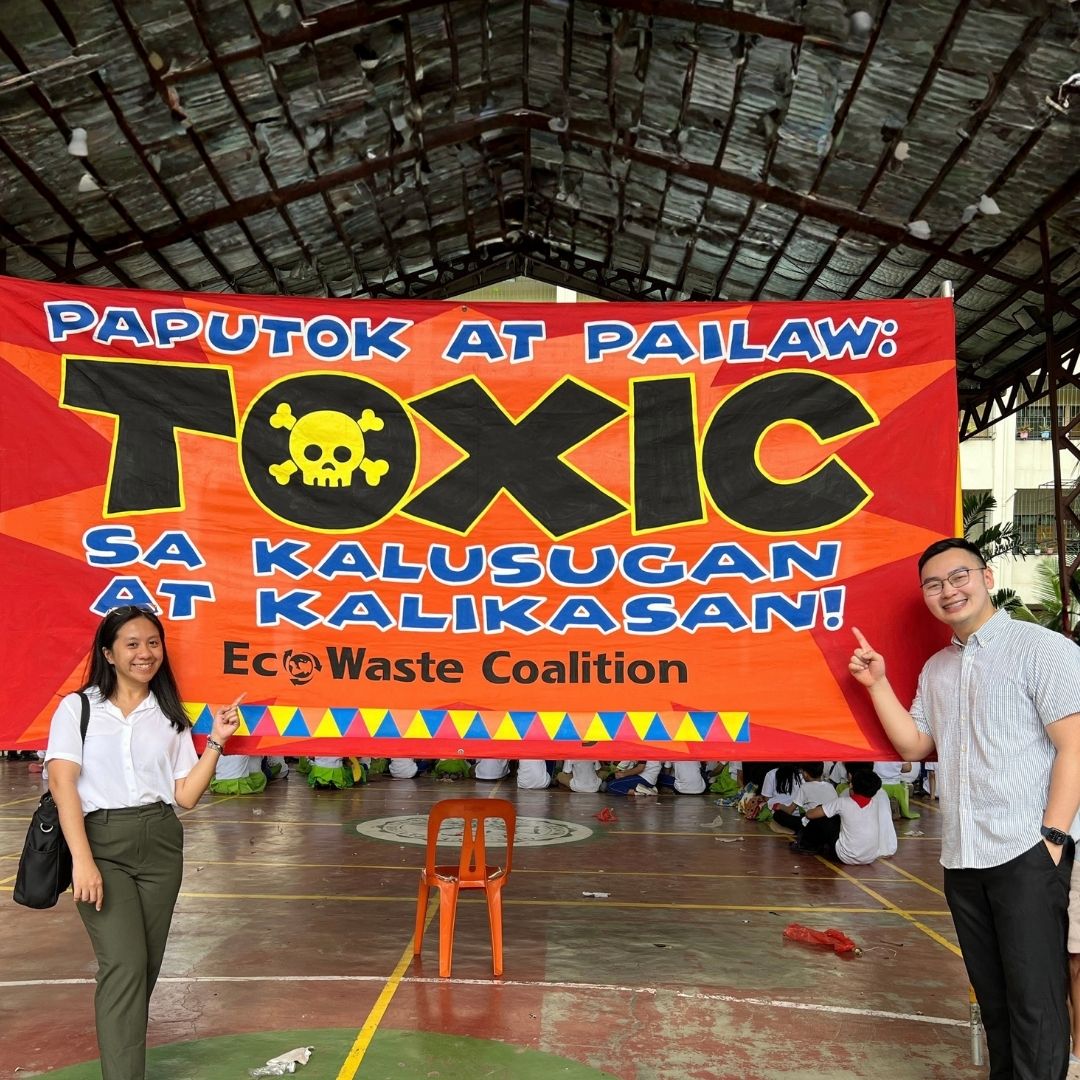
On the environmental health dimension, Dr Lao leads campaigns addressing toxic chemical exposure in partnership with the EcoWaste Coalition, including organizing education seminars on chemical safety in schools, co-developing an educator's guide on chemical hazard identification in the classroom, and supporting the IwasPaputoxic campaign, that aims to deter the use of fireworks and firecrackers. He currently contributes to research that examines the environmental contamination pathways through which climate events disperse antibiotic residues and resistant pathogens across environmental reservoirs, and how extreme weather events may affect persons living with HIV (PLHIVs) and influence their health outcomes.
Dr Lao noted that the hybrid nature of the program will allow him to directly apply new knowledge and skills to the projects he leads in the Philippines, and ultimately be able to contribute to building a new generation of One Health practitioners who do not hesitate to dive into the most challenging waters — those who recognize that the health of people, animals, and the planet are not separate concerns, but one and the same.
The Environmental Health and Global Health Security Flagship Program is one of the research programs of ACRI at the Ateneo School of Medicine and Public Health. The program conducts research, capacity building, policy engagement, and advocacy on environmental health, antimicrobial resistance, climate and health, and global health security, while mainstreaming the One Health approach. This flagship program is led by Dr Geminn Louis C. Apostol.
Recent News
You may also like these articles
ASOG’s Tobacco Control initiatives spotlighted in DOH National Technical Working Group for Tobacco Prevention and Control
On March 10 to 12, 2026, the Ateneo School of Government (ASOG), through its research and public policy unit, the Ateneo Policy Center, participated in
ASMPH welcomes incoming VPHE, honors the service of VP Marlu Vilches
The Ateneo School of Medicine and Public Health (ASMPH) recently held a transition meeting marking an important leadership shift within the University’s Higher Education cluster
Why can’t we eradicate tuberculosis? AIS dissects the TB issue in a multidisciplinary panel
On 24 March 2026, the Ateneo Institute of Sustainability (AIS), through its Sustainable Development Goals (SDGs) Program, hosted a multidisciplinary panel in observance of World
Vertical integration in ASMPH: A shared neurology preceptorial experience
In the Ateneo School of Medicine and Public Health (ASMPH), the commitment to vertical integration continues to grow stronger. This meaningful collaboration brings together YL6
Interweaving disciplines for a healthier future together: Highlights from the UHC Summit 2026
The Rosita G Leong Primary Healthcare Hub (RGL Hub) co-presented the flagship initiative of Project LAAN, the Universal Health Care Summit (UHC Summit), on 14
ASOG meets with Department of Health—Bureau of International Health Cooperation to strengthen institutional partnership
On 27 February 2026, the Ateneo School of Government (ASOG), through its research and public policy unit, the Ateneo Policy Center, held a courtesy meeting